

Why Honey Lasts Indefinitely
- Honey won’t expire or go bad as long as it’s high quality and is kept in a sealed container away from moisture
- The low water content of honey means that bacteria, moulds and other food spoilage organisms can’t take hold
- Honey is also acidic: while it doesn’t taste it, the pH of honey is low, which is a hostile environment for microorganisms to grow
- Over time, the taste and appearance of honey might change, but this doesn’t mean that it’s gone off
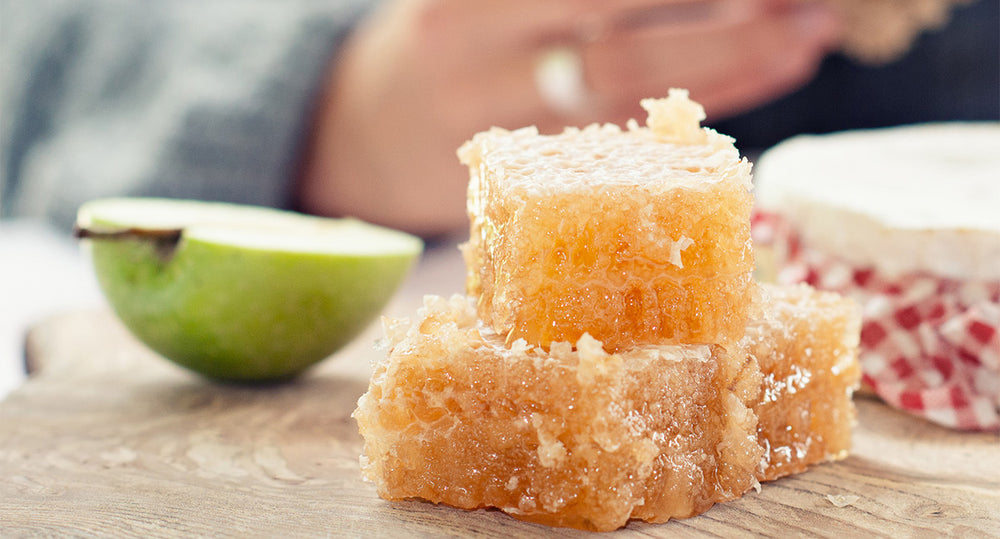
At Necta & Hive, we’re asked questions all the time. How does honey support the immune system? (You’ll find the answer here.) Is high-quality honey worth the price tag? (Spoiler: yes.) Is it ok to eat honeycomb? (Also, yes.)
And the question we’re asked the most? Does honey go out of date?
Legally, canned and packaged food must have a best before date. This is more about quality than safety, so the food is still safe to eat past the best before date, it just might look or taste a little different.
(Note: this is different from a use by date, used on fresh, perishable foods like meat and dairy. Eating food past its use by date could be dangerous.)
Honey is non-perishable and therefore has a best before date, and the answer is: honey doesn’t go off. But why? Let’s take a look.
Low Water, Low pH, Sugar and Bee Magic
Honey (and we mean proper, high-quality honey here, not cheap imposters made from flavoured sugar syrup and sold in squeezy bottles) has a unique combination of properties that together create an inhospitable environment for bacteria and moulds.
First up, water content. Thick, unctuous honey is about 17% water, a moisture level too low for food spoilage bugs to take hold.
Next, acidity. We probably don’t think of sticky, sweet honey being acidic, but it is. It has a low, acidic, pH of around 3 to 4.5, far too low for bacteria, fungi and moulds to stand a chance.
Honey is also obviously high in sugar, a mix of glucose and fructose. Sugar is “hygroscopic”, meaning that it takes moisture from anything that might be surrounding it. This is why sugar clumps when it gets damp. This also signals bad news for any bugs hanging around: sugar uses osmosis to draw moisture from them, effectively dehydrating and suffocating them.
Finally, when bees make honey, they add an enzyme called glucose oxidase. Minute traces of water can turn this into a weak hydrogen peroxide solution. This kills bacteria and other bugs in the honey, and we can use it to keep open wounds sterile or as a sore-throat soother.
Natural Changes to Expect in Honey Over Time
Perhaps the second most common question we get asked is, help, why has my honey crystallised?!
And we always say the same: crystallisation in honey is perfectly normal and a natural process in raw, unpasteurised, healing honey.
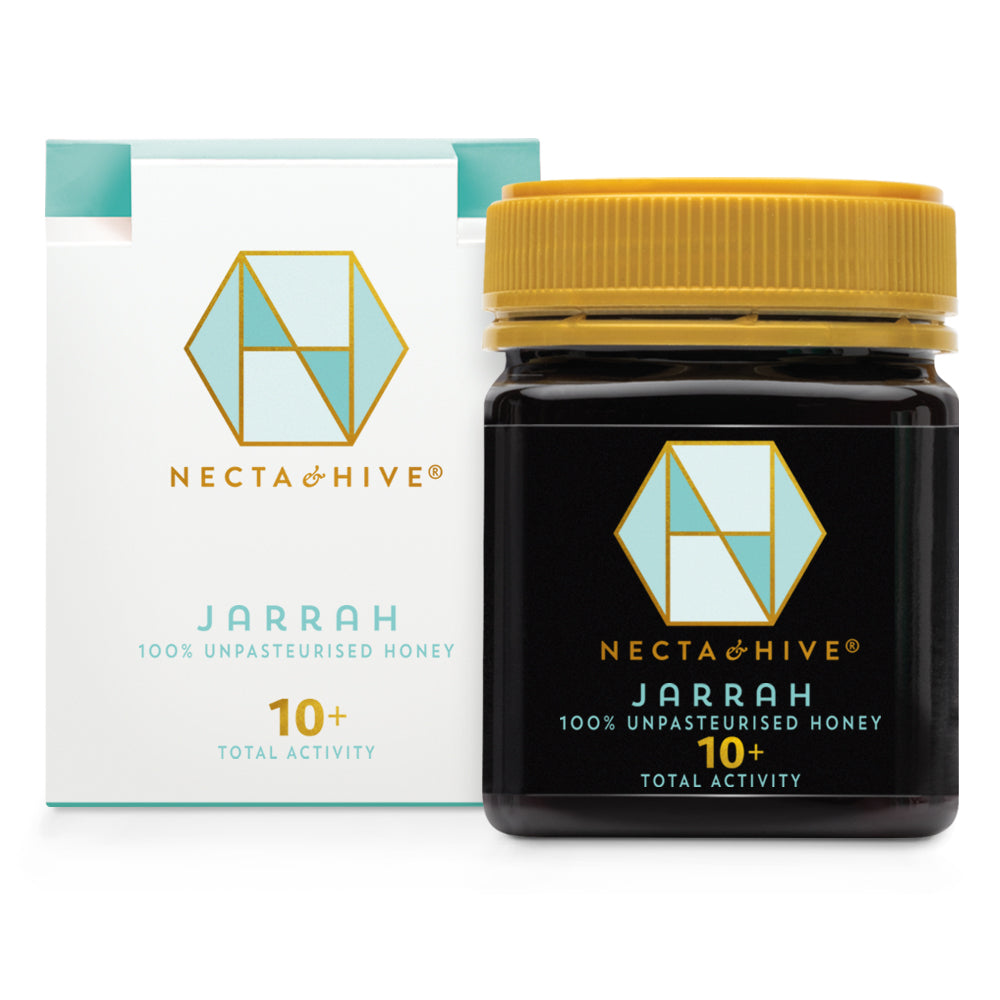
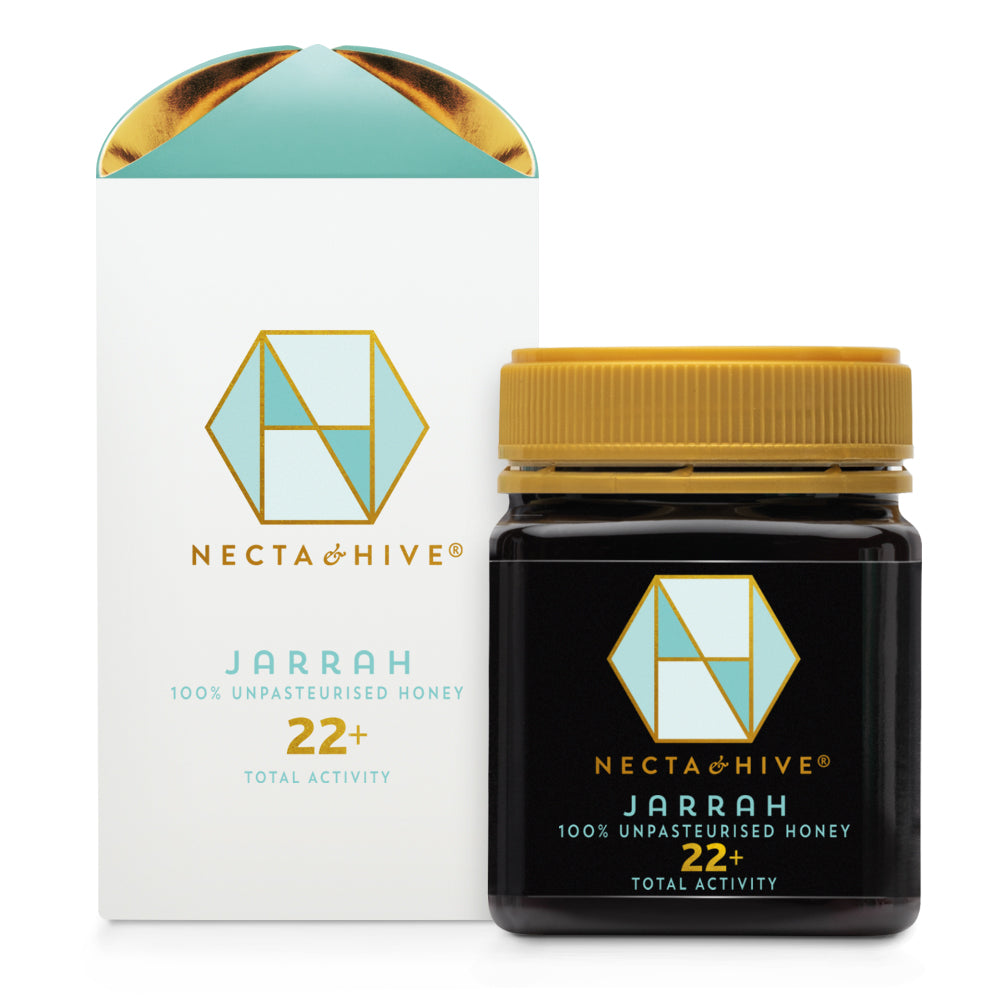
If you want to get rid of crystals in honey, seal the lid tightly and pop it into a bowl of warm water. Don’t boil it, as this will damage natural enzymes in honey, such as Jarrah and Marri, that contribute to its antimicrobial properties.
Buying High Quality Honey
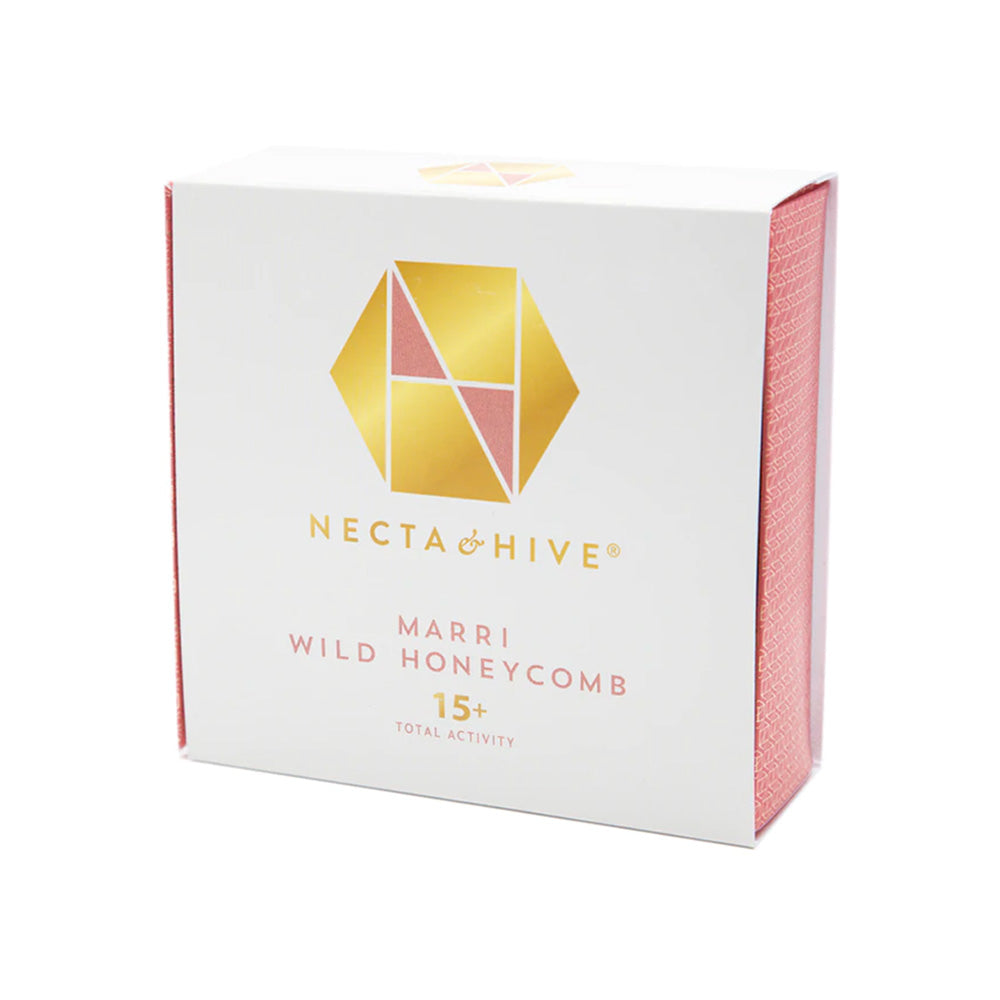
Our naturally antimicrobial healing honeys come from Western Australia, where bees forage on Jarrah and Marri trees, both part of the eucalyptus family. Pure, unadulterated, healthy and delicious, buy them as a one-off, or save and sign up to one of our subscription packages.
If you’ve tried our honeys before and you’re here to buy more, we’d really appreciate a few moments of your time to let us know what you think. Your continued support means the world to us, and we truly appreciate it.