

Will You Give Bees a Thought This No Mow May?
- Pollinating insects include bees, butterflies, moths and some beetles
- They’re directly responsible for 35% of global food crops
- Food security relies heavily on pollinating insects
- They support biodiversity and wildlife
- Bees and other pollinating insects are in dangerous decline
Want to go straight to the sweet stuff? Here you go!
When you think of pollinating insects, what do you think of? Bees, no doubt. Us too. But actually, there are far more species of insect pollinators than you first think. Some species of butterflies, flies, moths and beetles are also pollinators. Even wasps do an actual job; they’re pollinators too, not just annoying picnic destroyers.
What is Pollination?
Pollination is the act of plant reproduction, when pollen from the male part of one flower (the stamen) is transferred to the female part of a different flower (the stigma) of the same plant species. When insects fly from plant to plant, they inadvertently act as live pollinators, doing their work for free.
Why is Pollination So Important?
The major reason pollinating insects are so important is food security. Globally, around a third (35%) of our food production relies on pollinating insects. You may see some resources citing this as 75%. But the devil is in the details – 75% of the different crops we grow for food are reliant on pollination, but each of these crops produces a different amount of food. For example, we harvest much more wheat than we do strawberries. So, while 75% of crops depend on insect pollination, this amounts to 35% of the overall food grown globally.
Either way, it’s a very large number, and without pollinating insects, we’d be in trouble.
But the problem is, we already are….
The Five-Fold Threat to Pollinating Insects
Numbers of bees and other pollinators are in decline. In the UK alone, numbers of bees and hoverflies have fallen by almost 50% since 1980. This is due to a combination of:
1. Habitat destruction caused by large-scale urbanisation and monoculture farming practices
2. The use of pesticides and herbicides that interfere with their navigation, resulting in their deaths, as well as destroying the flowers they use as food
3. Climate change, which is causing a mismatch in flowers blooming and insects emerging
4. Diseases such as the varroa mite that kill honeybees
5. Intensive farming that causes habitat destruction and increased pesticide use
It’s Not Just Honey at Risk
Sure, bees produce honey. Necta & Hive simply wouldn’t exist without bees, and neither would honey.
But can you imagine a world without strawberries, avocados, broccoli and almonds? If you can, what about living without coffee and chocolate? We thought not.
That’s the reality. If we continue to lose bees and their pollinating cousins, we’re going to be in an awful lot of trouble. A third of what we put into our mouths would be extremely scarce (and extremely expensive) if we didn’t have the free work of the pollinators helping to feed us.
What Can We Do?
Agriculture is big business. It needs large-scale practices such as monoculture farming and pesticide use to survive and feed us. But we can make different choices.
We can support organic agriculture by buying organic produce. Just one swap, such as organic bread, rice or pasta, will help. We can also avoid using pesticides in our own gardens and encourage our neighbours to do the same.
But perhaps the most helpful is to allow all or part of our gardens to go wild. That means embracing the weeds. Dandelions, daisies, clover and borage all provide bees with food and help their species thrive. And if you’re looking for an excuse to avoid mowing the grass this month, No Mow May is your answer! The bees will thank you for it.
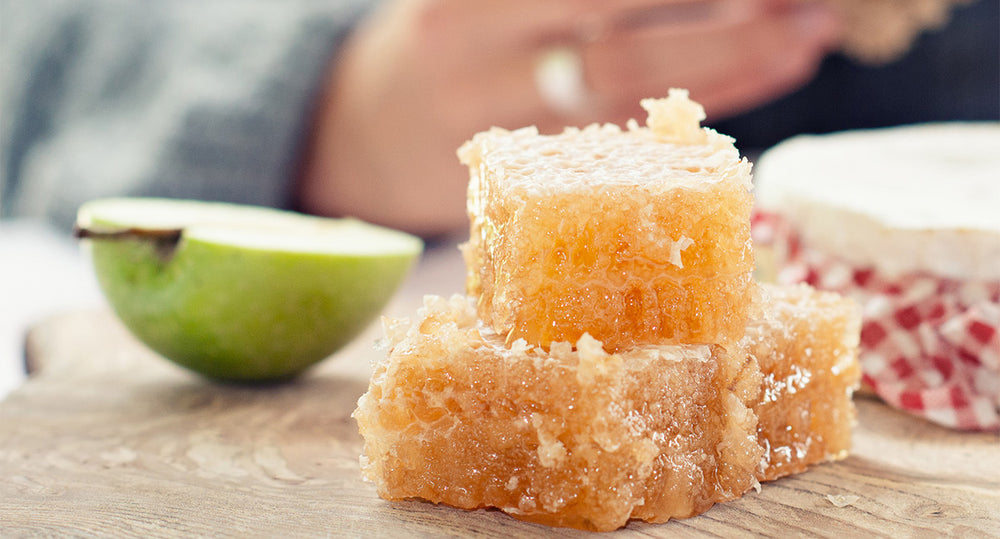
Fancy some delicious honey after all that bee talk? Head over to our online store to stock up on our high-quality, naturally antimicrobial Jarrah and Wild Marri honeys.